Portal:A. M. A. Ayrookuzhiel

The A. M. A. Ayrookuzhiel Portal serves as a central space for accessing all material related to his life, research and public work. It brings together biographical information, writings, archival resources and studies that help readers understand the themes and questions he engaged with over several decades. The portal is designed to make it easier for researchers, students and family members to explore his contributions without needing to search across different pages or categories.
Beyond linking to individual publications, the portal also provides short summaries, context notes and curated references that highlight the areas he worked on, such as caste, culture, religion and social analysis. It functions as a structured guide to the available material, allowing readers to navigate his ideas, major texts and the wider conversations connected to his work in a clear and accessible manner.
Biography
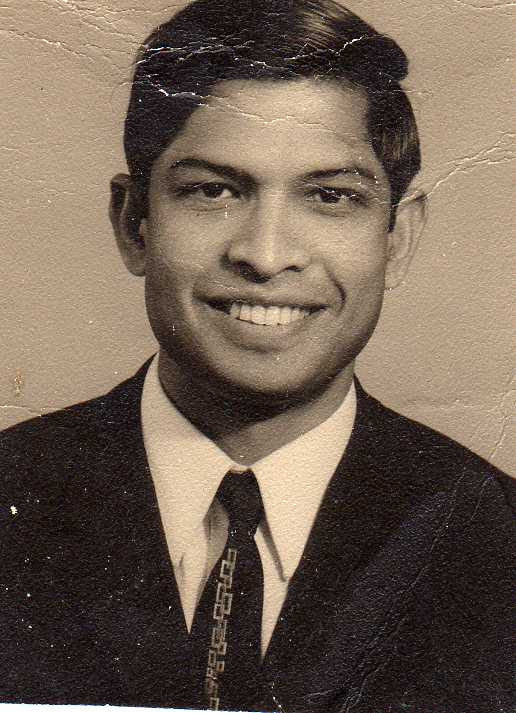
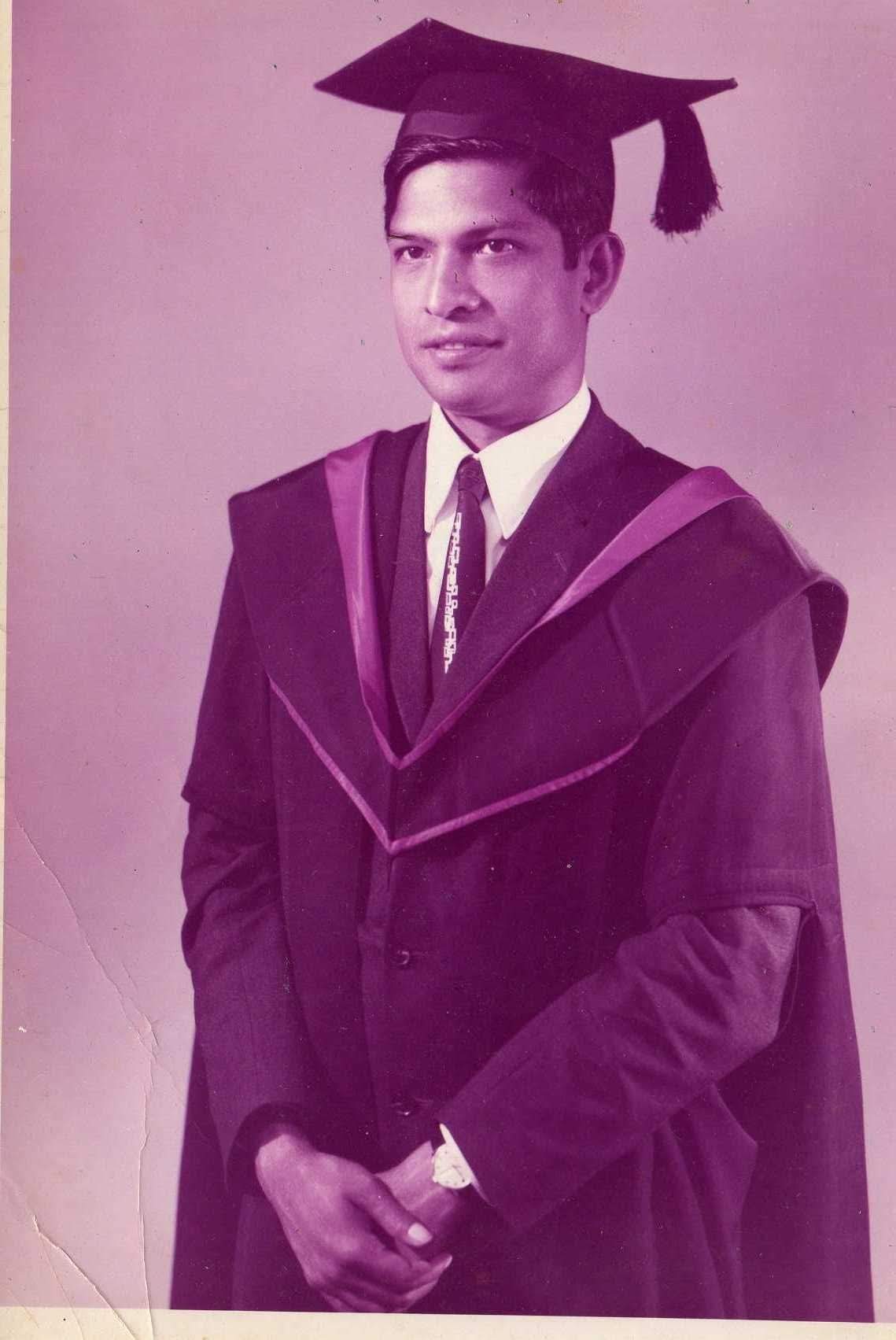
A. M. A. Ayrookuzhiel (1933–1996) was a theologian who tried to bring faith closer to the everyday struggles of marginalised communities. At CISRS in Bangalore he helped shape early Dalit Theology by drawing on stories, fieldwork and local practice rather than abstract theory. His writing and teaching continue to influence debates on justice, culture and belief.
Read full biography →Major Works
Essays on Dalits, Religion and Liberation (2006) gathers A. M. A. Ayrookuzhiel's most important writings on caste, culture and faith. Across these essays he traces how religion has shaped Dalit life — at times as a tool of control, and at other times as a source of resilience and creativity. Drawing on stories, fieldwork and lived experience, the book reflects his lifelong effort to ground theology in the struggles and hopes of the oppressed.
See full entry →Swami Anand Thirth: Untouchability, Gandhian Solution on Trial is a 1987 monograph written by A. M. A. Ayrookuzhiel. The book draws on Swami Anand Thirth's memoirs and personal papers to examine his decades of work challenging caste discrimination in Kerala. Ayrookuzhiel traces how the Swami confronted exclusion in temples, markets and public spaces, showing how these experiences revealed both the possibilities and the limits of Gandhian reform. The study offers a steady, evidence-based portrait of a reformer shaped by conviction and by the social realities he faced.
See full entry →The Sacred in Popular Hinduism: An Empirical Study in Chirakkal, North Malabar (1983) is a study by A. M. Abraham Ayrookuzhiel, published by the Christian Literature Society for the Christian Institute for the Study of Religion and Society (CISRS), Bangalore. The book documents local and popular Hindu religious practices in the Chirakkal area of North Malabar, and includes design credits to Venkatachalam and a painting of Gulikan's mask by K. C. Narayanan Namboodiri. The volume carries the author's dedication "In memory of my beloved parents," naming Ayrookuzhiel Koruthu Mathen and Mariamma Mathen.
See full entry →Other Works
The Motives of Mar Ivanios for the Reunion with the Catholic Church is a 1966 paper submitted to the Institute of Spiritual Theology at the Gregorian University. It outlines the historical, theological and spiritual reasons that, according to the study, shaped Mar Ivanios' approach to the Reunion Movement. The paper presents these points under clearly defined headings without attempting a full historical narrative.
See full entry →Chinnapulayan: The Dalit Teacher of Sankaracharya is A. M. A. Ayrookuzhiel's study of the Pulaya ritual song known as the Tottam of Pottan Teyyam and a later Brahminised version that introduces Sankaracharya into the encounter. The paper reproduces both versions and examines how each frames caste, ritual memory and argumentative purpose through their contrasting narratives.
See full entry →Related Articles
Christian Institute for the Study of Religion and Society (CISRS) is an ecumenical research centre that examines how religion, social life and public policy intersect in India. Since its founding in 1957, the Institute has brought together scholars, church leaders and activists to study issues such as caste, democracy, inter-faith relations and the experiences of marginalised communities. Its work combines theological reflection with social analysis, and has shaped conversations on political theology, Dalit studies and contemporary Christian engagement with public life.
See full entry →Gallery
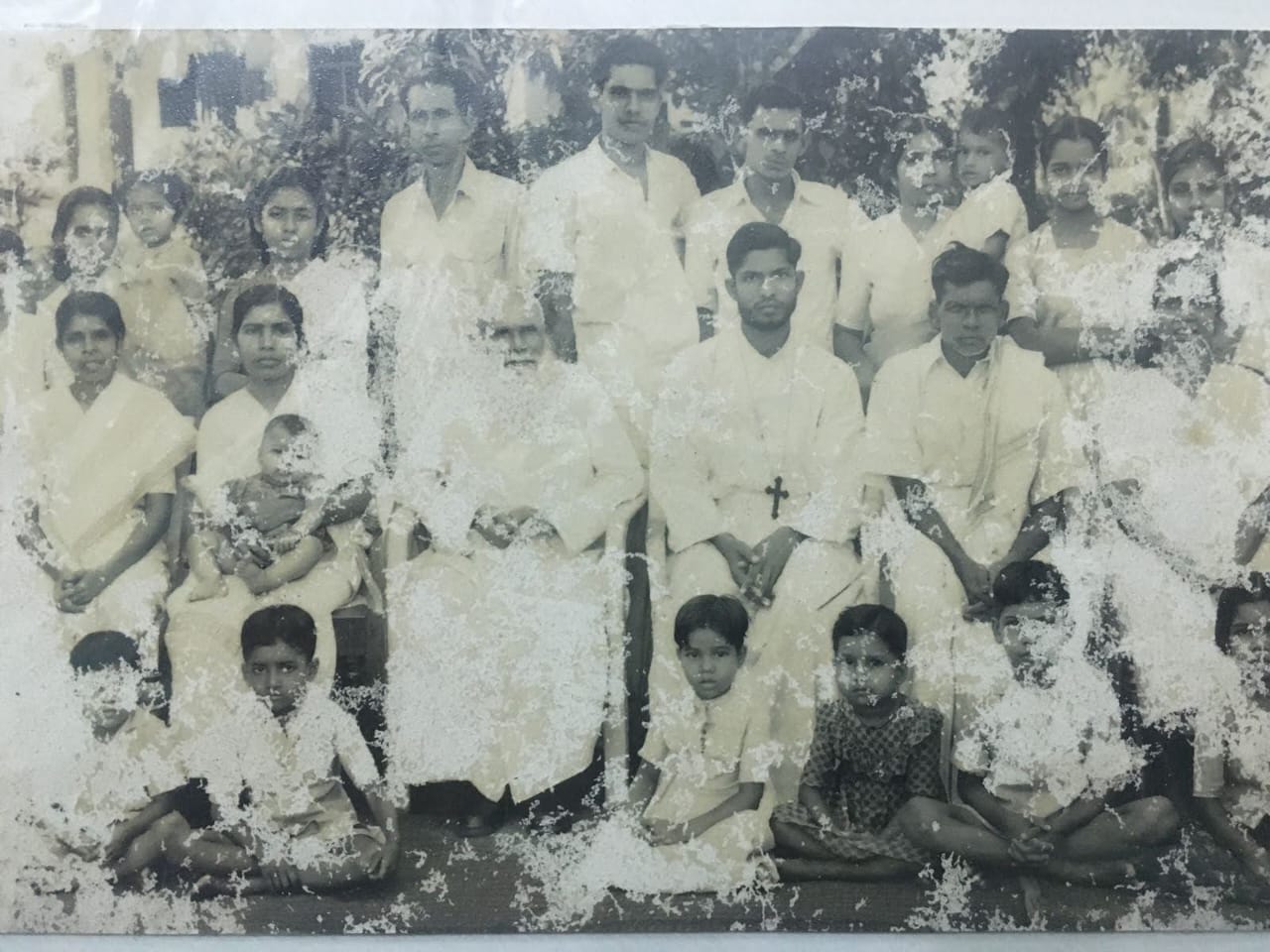
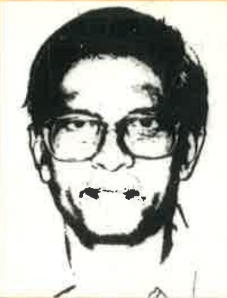
📄 This page was created on 19 November 2025. You can view its history on GitHub, preview the fileTip: Press Alt+Shift+G, or inspect the .